

AMIRI on Resale: Which Pieces Hold Value
This is a description of observed secondary-market behaviour and it is not investment advice, so nothing here should be read as a forecast of returns. These observations come from asking prices and public listings seen on resale platforms in 2026; the samples are modest and the readings are directional at best. AMIRI sits in an unusual position on resale: in demand enough to sell steadily, yet discounted heavily through authorised retail, which caps what anyone will pay secondhand. At any moment the larger platforms carry hundreds of listings titled amiri jeans, amiri hoodie, amiri men or simply amiri. What emerges is consistent, and slightly deflating for anyone who hoped clothing might behave as an asset. Most pieces trade below retail, a minority hold close to it, and a small number of genuinely scarce items do better than that. The rest of this piece is a map of that terrain, not a price guide.
Where the Secondary Market Sits
A few venues carry most of the volume; each one has a different bias. Denim depth belongs to Grailed, which is also where model-specific browsing actually works, carrying dedicated pages for the MX1, the MX2, the Thrasher and the Skel Top. StockX is the sneaker-shaped venue, publishing release dates and original retail figures alongside current bids, which makes it the only place where price history is legible. Vestiaire Collective and The RealReal lean towards womenswear, outerwear and handbags, and each runs authentication steps of its own. eBay, Poshmark and amiri shoes men GOAT all carry meaningful quantities without dominating a category. The venue matters nearly as much as the garment, since a hoodie priced sensibly on a denim-heavy platform can go unsold for months. Buyers search by model name, so a listing that omits the model is effectively invisible.
What amiri jeans Actually Fetch
Use the MX1 as the reference point: it is the signature jean and the most listed model by a comfortable margin. On the largest denim platform, observed asking prices and sales ran roughly $400 to $840, and the bulk clustered somewhere around $480 to $650. Set that against an observed retail figure of $1,090 and the picture is unambiguous, because standard MX1s resell materially below their original price. Suede and other unusual-material variants turned up at the low end of that range, suggesting that specialised materials depreciate harder rather than commanding a premium. The Stack, entry point to core denim at an observed $750, behaves the same way at a lower level. None of this makes the jeans a poor purchase; it makes them clothing rather than a store of value. Because the sample is small and the venue is peer-to-peer, these are ranges rather than valuations.
Sneakers Behave Differently
Of all the categories, footwear has the best-documented resale mechanics, principally because sneaker platforms publish release and retail history. Called its house signature sneaker by the brand itself, the Skel-Top Low had an original retail of $590 at an August 2020 release and shows an observed price of $650 in 2026. Trading is active across multiple colourways, though the standard ones generally do not hold a premium over retail. A luxury sneaker still in production and restocked in familiar colours will ordinarily behave exactly that way. The exceptions are limited colourways and collaboration footwear, which behave more like genuinely scarce goods. Separate silhouettes from the Skel-Top, the Skel Court and the Stars Court should not be read across, because they carry different appliqués and different observed prices. Here the MA-1 names a sneaker rather than a bomber jacket, and the confusion produces mispriced listings on both sides.
Observed Resale Against Observed Retail
Gathered in the table are the figures used above, so the gap between primary and secondary pricing can be seen in one place. Each figure is an observed market listing from 2026 and not an official price list, while the resale column reports ranges seen on public platforms rather than guaranteed outcomes. Behind those ranges sit small sample sizes, and asking prices are not the same thing as completed sales. Individual outcomes are moved far more by condition, size and colour than by any brand-level generalisation. Because sizes at the extremes of a run sit longer, their asking prices drift down over time. Read the right-hand column as a rough band and expect plenty of individual listings to sit outside it.
| Item | Observed retail | Observed resale behaviour |
|---|---|---|
| MX1 jean | $1,090 | Roughly $400 to $840, clustering $480 to $650 |
| Stack jean | $750 | Below retail as a rule |
| Skel Top Low | $650, and $590 at the 2020 release | At or near retail, seldom above in core colours |
| Skel Court Hi | $690 | Low volume, usually below retail |
| MA-1 sneaker | $799 | Below retail where colours are standard |
| MA Core Logo Hoodie | $650 | Considerably below retail, high supply |
| Women’s Baggy MX3 | $990 | Thin data and thin listing volume |
| Ryder Boot | $1,090 to $1,290 | Below retail, with condition doing the work |
Which Pieces Tend to Hold
One quality unites the pieces that resist depreciation: they are difficult to reproduce at volume. Heavily worked denim leads the group, crystal-embellished, studded, patchwork and hand-reconstructed, with visible labour and something close to a one-off feel. The second group is runway and collaboration items, of which the February 2022 collaboration with the artist Wes Lang is the clearest example. Early archive-era pieces, made before the Paris Fashion Week debut in 2018, form a third group, since supply from those years is genuinely scarce. Within footwear, limited colourways and collaboration models hold up better than the core palette. The common thread is scarcity plus labour, and neither of those describes a seasonal logo product. Treat this as an observed pattern rather than a rule, because any individual listing can contradict it.
What Falls the Hardest
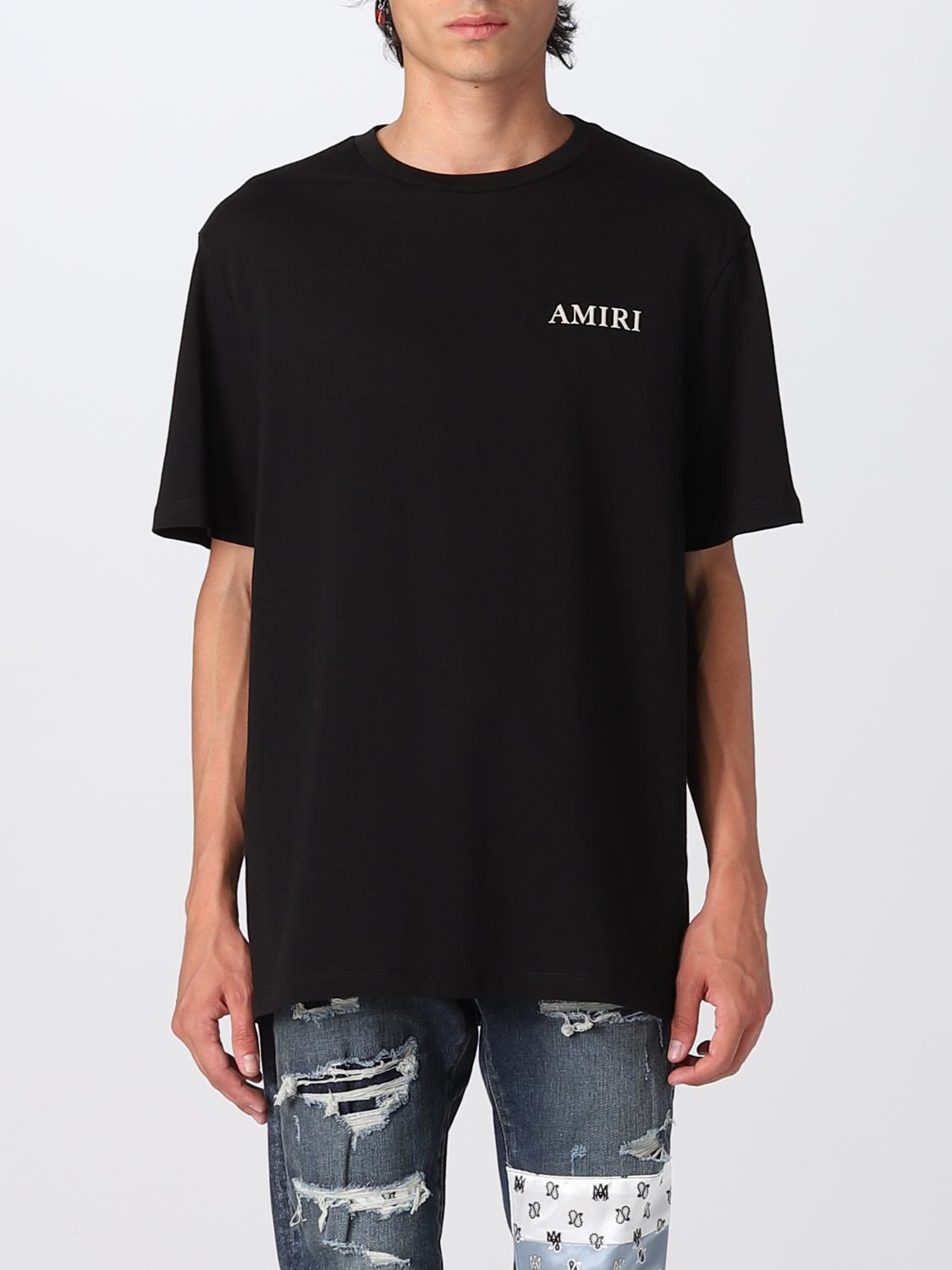
The other end of the range holds whatever is produced in the greatest numbers and discounted the most at retail. Losing the most ground are core logo T-shirts and standard logo hoodies, which are high-volume, heavily counterfeited and routinely marked down while still current. Standard-wash core denim comes next, and the reason is easy enough: it is continuously restocked, so a buyer can always wait for the next sale. Anything that landed in an off-price channel while still recent has its ceiling established openly, and resale buyers price accordingly. Because widely produced colourways compete against each other on the same platform, asking prices grind down. Womenswear and kids’ pieces have thinner comparable data, so their listings tend to sit longer rather than clear at a stable number. If you are buying to wear, this group is where the secondary market is genuinely useful.
The Discount Floor Beneath It All
One structural driver explains all of the above, which is that authorised retail discounts amiri clothing frequently and in public. Observed in-season reductions at multi-brand retailers run in the region of forty to seventy percent, and off-price arms of established retail groups carry past-season stock on top of that. A jean listed at $1,345 and seen at $673, or a varsity jacket listed at $2,310 and seen at $1,155, creates a public reference that every resale buyer can find. No secondary seller can price above that floor for a piece that is still available new somewhere. Counterfeit density drags a second time, because authentication risk gets discounted even when a listing is genuine. Only products bought directly from the brand or through an authorised stockist partner will be verified, and the brand states plainly that it cannot authenticate items bought outside those channels. Markets price that gap in, which is one reason resale sits where it does.
Reading the Numbers Properly
Every figure in this article is an observation, pulled from a small number of public listings at one moment in 2026. Asking prices are not sales, sales are not trends, and a handful of listings is not a market. What you have read is not investment advice; no return is being predicted, and clothing should not be bought on the expectation that it will appreciate. Negotiation and expectation-setting are the reasonable uses for this material, and knowing that a standard MX1 clusters well under retail is worth more than any forecast. If you are selling, name the model, photograph the interior labels, and price against completed listings rather than against optimistic ones. Before you buy amiri online secondhand, weigh the authentication risk against the discount, since provenance is the only real protection. Buy for wear, and let any resale upside be an accident rather than a plan.

